
Compare Local Contractors for House Roof Installation Effectively
Compare local contractors for house roof installation to define scope, verify experience, and set clear expectations in writing for a successful project.
House roof installation involves more than just placing new shingles or panels on a property’s top. It typically encompasses assessing the existing roof structure, removing the old roofing material if necessary, installing new underlayment, and applying the chosen roofing system. Contractors may also handle related tasks such as replacing damaged decking, installing flashing to prevent water intrusion, and ensuring proper ventilation. Understanding the full scope of work helps property owners communicate their needs clearly and ensures that all essential components are addressed during the project.
Defining the scope of roof installation work is crucial for establishing clear expectations and avoiding misunderstandings. A detailed scope outlines specific tasks, materials, and finishes, providing a reference point for both property owners and contractors. It also helps identify potential challenges early on, such as structural issues or access limitations, which can impact the overall process. Having a well-documented scope in writing supports transparency, facilitates accurate comparisons between contractors, and can serve as a basis for agreement once the project begins.
When comparing local contractors for house roof installation, property owners should evaluate their experience with similar projects, the range of services offered, and their reputation within the community. Gathering information about each contractor’s previous work, verifying references, and reviewing their familiarity with local building codes can provide valuable insight. Additionally, requesting detailed proposals that specify the scope of work and materials helps ensure consistency across bids. This approach enables property owners to make informed decisions and select a service provider equipped to meet the specific needs of their home.
Compare local contractors by outlining your project priorities, verifying experience, and setting clear expectations in writing.
- Compare Contractor Credentials - Evaluate the experience and reputation of local contractors to ensure quality workmanship.
- Define Project Scope Clearly - Outline the specific details of the roof installation to set clear expectations.
- Verify Experience and References - Confirm the background and past work of service providers before hiring.
- Document Agreements in Writing - Keep all project details, responsibilities, and expectations documented for clarity.
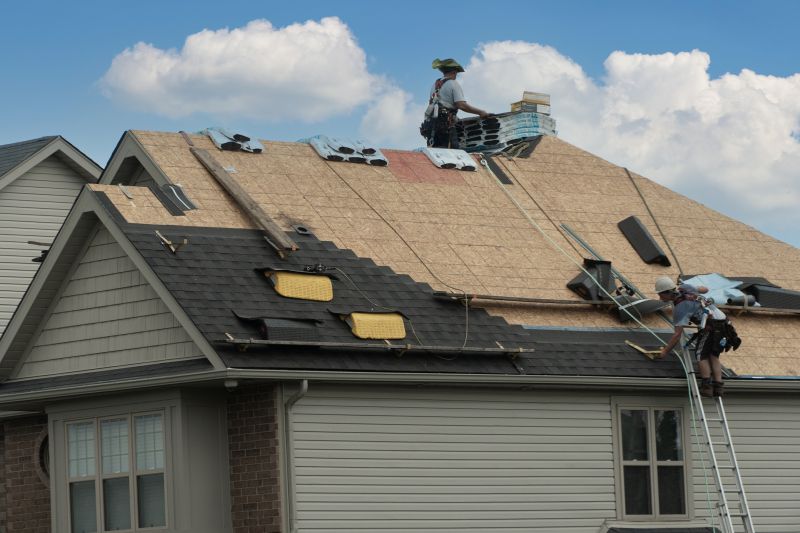
Before comparing contractors, clearly describe your roof installation project to ensure accurate scope, experience verification, and written expectations.
- Verify experience and references of local contractors to ensure they have a proven track record with roof installations. - Review scope of work and materials to ensure clarity and alignment with project expectations.
- Ensure detailed written estimates that specify the materials, scope, and workmanship to compare options effectively. - Confirm that contractors provide comprehensive documentation outlining all aspects of the roof installation.
- Check that contractors assess the roof structure and underlying support to determine proper installation methods. - Look for professionals who evaluate existing roof conditions and provide recommendations accordingly.
- Confirm that the scope includes necessary permits, inspections, and adherence to local building codes. - Make sure all required legal and safety requirements are addressed in the project plan.
- Discuss warranty coverage for both materials and workmanship to understand what is included and for how long. - Clarify the terms of warranty to ensure protection against future issues.
- Establish clear communication channels with service providers to address questions and set expectations in writing. - Maintain documented agreements to avoid misunderstandings during the project.
Compare local contractors, clarify your scope, verify experience, and document expectations carefully.

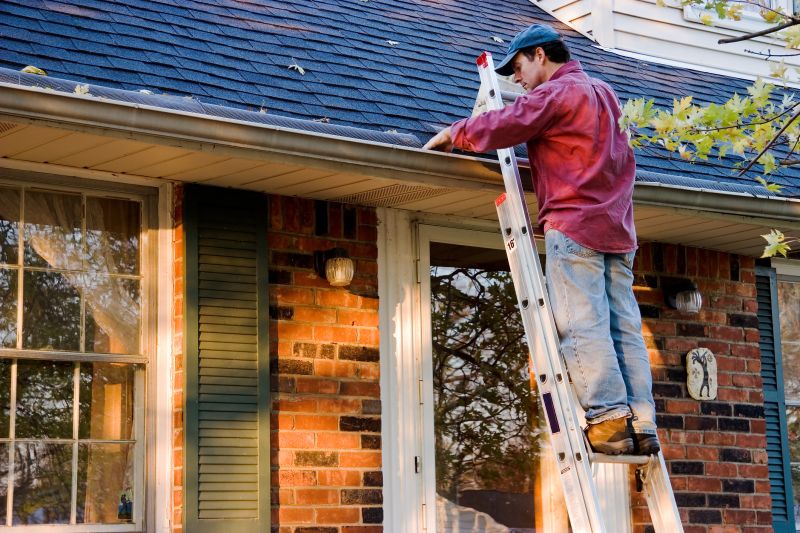

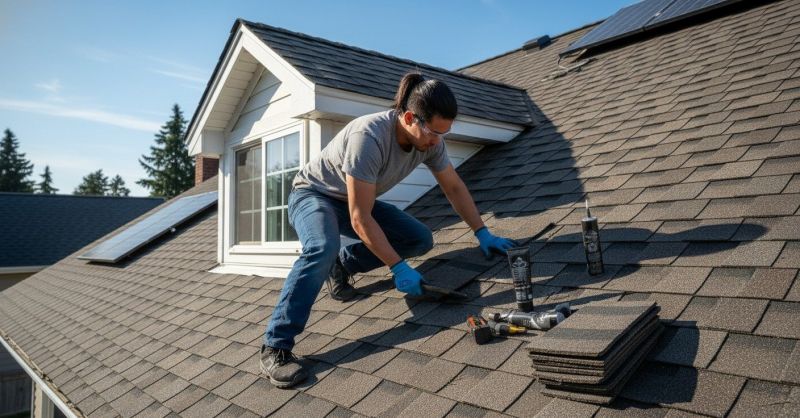
Learn how to compare house roof installation contractors by defining scope, verifying experience, and maintaining consistent expectations.
- Define project scope - clearly specify the extent of roof installation work required, including materials and design preferences.
- Verify experience - assess the contractor’s past work and expertise in house roof installation projects.
- Establish communication expectations - determine how the contractor will provide updates and clarify project details throughout the process.
- Set documentation standards - ensure all scope details, responsibilities, and agreements are documented in writing before work begins.
- Compare service providers - evaluate multiple local contractors based on their scope definitions, experience, and communication practices.
When comparing contractors for house roof installation, it is essential to evaluate their experience with similar projects. Homeowners should inquire about the types of roofs they have installed in the past, paying attention to the materials and styles that match the scope of their own project. Contractors with a proven track record in handling comparable roofing jobs are more likely to understand the unique challenges involved and deliver results that meet expectations. Gathering details about their previous work can help ensure that the chosen service providers have relevant expertise suited to the specific needs of the home.
A clear, written scope of work is a vital component of a successful roofing project. Homeowners should seek out contractors who can provide detailed descriptions of the work to be performed, including the materials used, the extent of the installation, and any specific tasks or responsibilities. Having a comprehensive scope in writing helps set realistic expectations and provides a reference point for evaluating progress and completion. It also reduces the likelihood of misunderstandings or scope creep, fostering a smoother project process from start to finish.
Verification basics are crucial when assessing potential service providers. Homeowners should verify the credentials of local contractors by checking references, reviewing past project portfolios, and confirming their familiarity with local building codes and standards. It is also helpful to ask about the contractor’s process for handling unforeseen issues or changes during the project. While licensing and certification are not the focus here, understanding a contractor’s reputation and track record can provide confidence in their ability to deliver quality work and handle the specifics of a house roof installation.
Evaluating options without relying on prices involves focusing on the quality of service, communication, and professionalism demonstrated by each contractor. Homeowners can compare how clearly each provider explains their approach, the level of detail in their scope, and their responsiveness to questions or concerns. It is also beneficial to consider the consistency of their references and the thoroughness of their project planning. By emphasizing experience, clarity, and verification, homeowners can make more informed decisions and select service providers who are well-equipped to handle the complexities of roof installation projects.
Ask contractors to provide written scope details to ensure clear expectations and consistent project coverage.
- Experience and References - What experience do local contractors have with house roof installation projects similar to yours?
- Scope of Work - How will the scope of the roof installation be clearly defined and documented in writing?
- Materials and Techniques - What materials and installation techniques do local service providers recommend for your roof type?
- Warranty and Guarantees - What warranties or guarantees are offered on the workmanship and materials used?
- Comparison of Services - How do local contractors differ in their approach to defining project scope and service offerings?
How can I compare roof installation contractors effectively? To compare local contractors, review their experience, request references, and verify their work quality through past projects or reviews to ensure they meet your project needs.
What should I clarify when defining the scope of my roof installation? Clearly outline the size, materials, and specific details of the roof work to ensure contractors understand your expectations and provide accurate proposals.
How do I verify the experience of a roofing contractor? Ask for details about their previous projects, years of experience, and any examples of similar roof installations to assess their familiarity with your type of roof.
Why is it important to have the scope of work in writing? Having a detailed, written scope helps prevent misunderstandings, sets clear expectations, and provides a record of agreed-upon work for the project.
What questions should I ask potential contractors before hiring? Inquire about their experience with similar projects, the materials they recommend, and how they plan to handle potential challenges during installation.
How can I ensure the contractor understands my specific roofing needs? Communicate your requirements clearly and review the scope with the contractor to confirm mutual understanding before work begins.
By exploring the information provided, visitors can gain a clearer understanding of how to select qualified contractors for house roof installation. They’ve learned to define the scope of work, verify experience, and set clear expectations in writing-important steps to ensure the project aligns with their needs. Utilizing the quote form allows for easy comparison of various service providers, helping to identify options that best match their project requirements.
Using the quote form to connect with local contractors offers a straightforward way to evaluate different service providers in the area. It enables homeowners to gather information and compare their options without commitments, making it easier to find experienced professionals capable of handling roof installation projects. This approach supports informed decision-making and helps ensure the right contractor is chosen for the job.